Railway Signaling Commissioning: Systematic Procedures for Fail-Safe System Installation and Validation
Practical Foundations for Safe and Reliable System Commissioning

Commissioning a railway signaling system looks simple on paper, but in the field, it becomes very different. Cabinets open, relays click in uneven rhythms, and engineers sift through drawings that carry years of history. It is the moment when theory must stand on its own feet.
Railway signaling commissioning pulls together installation work, safety checks, and validation routines that ensure the new system behaves correctly from the first train onward.
Fundamentals of Signaling System Commissioning
A signaling system reaches commissioning only after design and installation are complete. At this stage, the work shifts from assembling components to proving that they operate as expected, especially under conditions that challenge fail-safe logic.
Commissioning Phases, Safety Requirements, and Documentation
Commissioning usually unfolds in a series of structured steps.
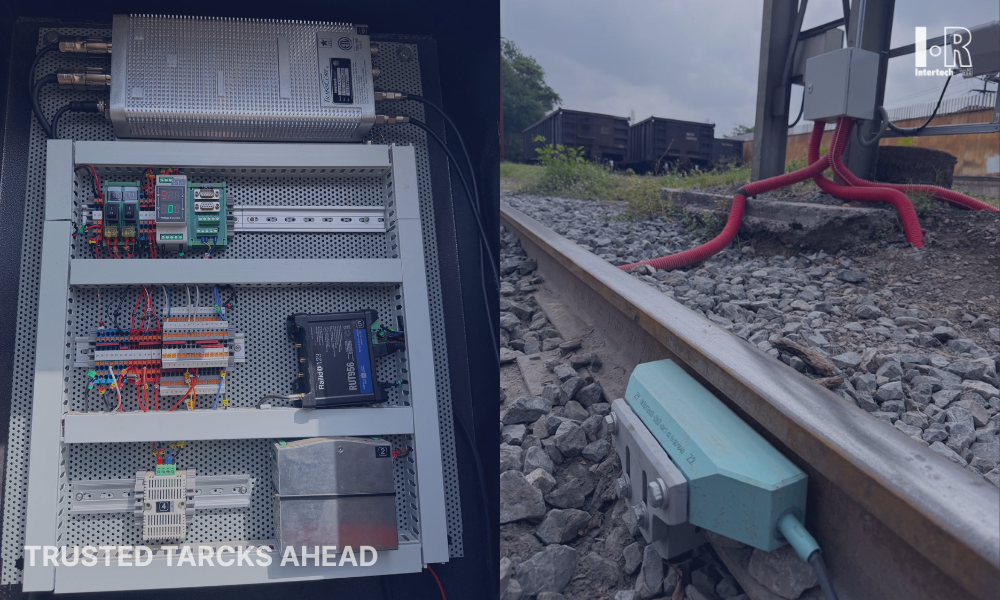
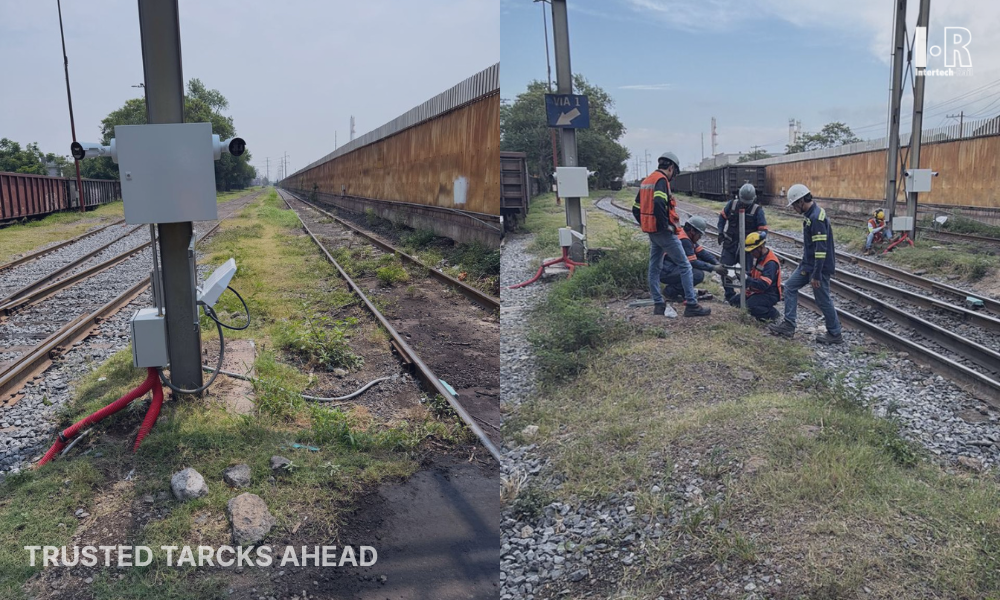
Engineers begin with design confirmation, reviewing as-built wiring, terminal arrangements, routing, and equipment placement. These checks catch the small inconsistencies that often appear between drawings and reality.
After that, safety requirements guide the sequence. A fail-safe system must behave predictably when things go wrong: loss of power, wiring faults, and environmental stress. Because of that, documentation becomes a central pillar of railway commissioning procedures.
Test sheets, wiring records, relay logs, and configuration notes: none of these exist for formality. They form the long-term record that explains how the system was introduced into service and why it can be trusted.
Commissioning teams rely heavily on evidence, not assumptions. The goal is not only to confirm that the equipment functions but also to confirm that the design philosophy holds under real conditions.
Fail-Safe Relay System Commissioning Procedures
Relays remain central to many signaling architectures. Although new technologies appear each decade, the relay still anchors fail-safe system commissioning because its mechanical behavior reflects system health directly.
Installation, Functional, and Integration Testing
Installation Testing
Before any relay coil is energized, technicians complete installation checks. They confirm terminal torque, cable labeling, polarity, insulation values, and physical seating. These tasks may look routine, but they are the foundation for everything that follows.
Functional Testing
Only after installation is approved do engineers evaluate how each relay behaves electrically and mechanically. Pickup and dropout levels, timing drift, and mechanical response are measured against expected values.
A relay that responds too slowly or inconsistently can affect route release or track locking. Functional tests ensure each device reacts correctly and, more importantly, returns to a safe state without hesitation.
Integration Testing
Once individual components are validated, testing expands to the full system. Interactions between relays, track circuits, switch machines, communications links, and interlocking logic are simulated.
This phase exposes issues that only appear when multiple subsystems operate together. Integration tests verify that the entire installation honors the intended signaling logic and consistently reaches safe states when abnormal conditions are introduced.
Advanced Considerations in Commissioning Practice
Modern networks combine equipment built decades apart. Because of this, commissioning often involves observing how older relays respond when placed next to newer electronics. Noise levels may increase, thermal behavior may shift, and timing can vary slightly.
Environmental conditions also matter more than most expect. Humidity, vibration, dust, and heat alter behavior over time, so commissioning teams include these considerations when defining acceptable performance margins.
Commissioning is also where backup logic proves its value. Redundant circuits and alternate paths must demonstrate that they react accurately when the primary route is interrupted. Good commissioning does not assume perfect operation; it seeks to understand the system's response when faults occur.
Overall, sailway signaling commissioning is the final step before a fail-safe installation assumes responsibility for train movement. Through structured inspection, functional checks, and system integration testing, engineers build confidence that the system will behave correctly under both normal and abnormal conditions.
Good commissioning is not a formality. It is a technical safeguard that supports every journey that follows. When done with care, it reinforces the safety culture that defines reliable railway operations.
Share article