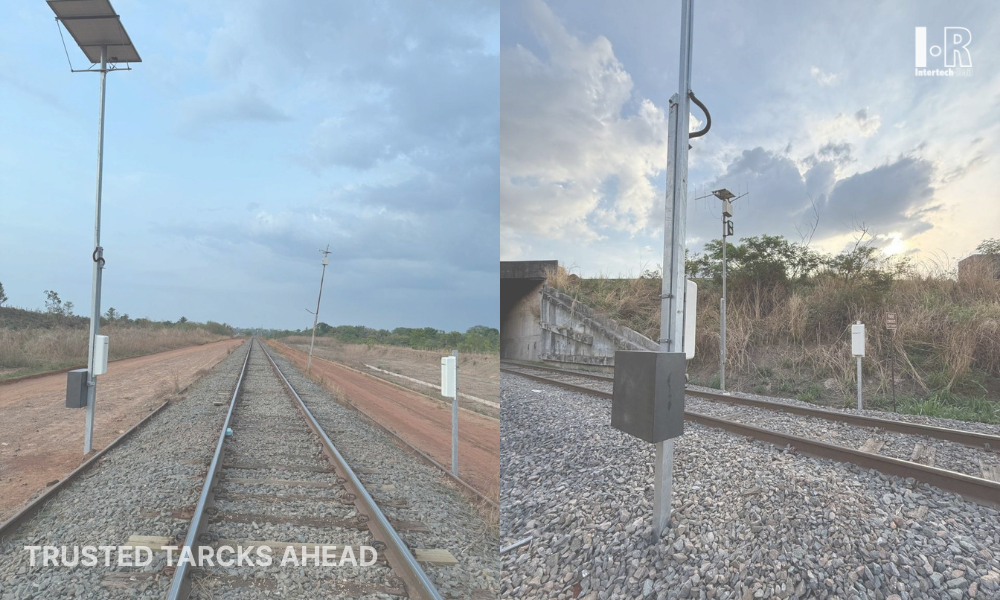
Wheel Sensor Technology: Advanced Detection Systems for Train Presence and Axle Counting
Fundamentals of Wheel Sensor Technology
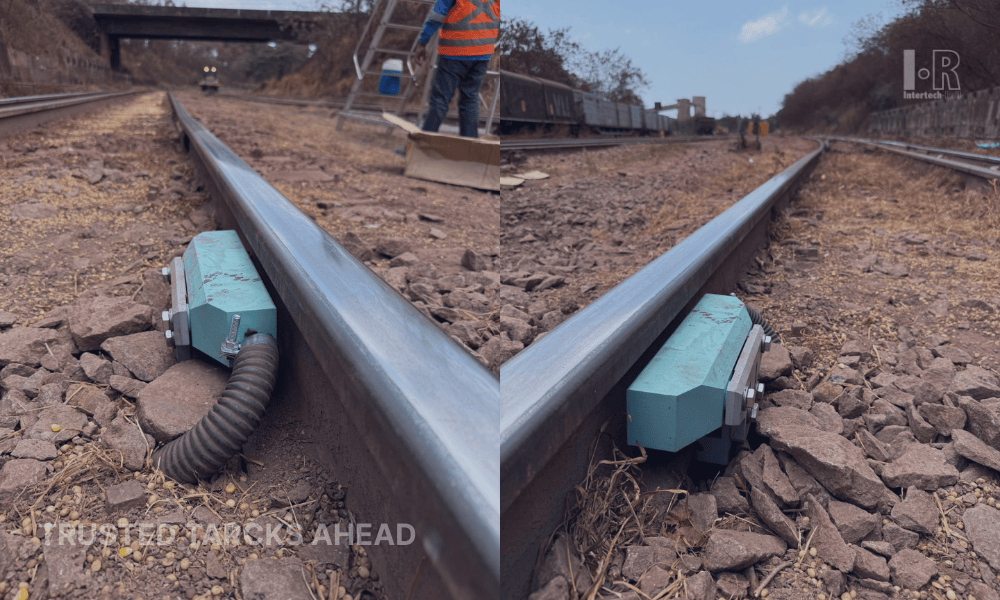
Anyone who has worked around railway operations knows that train detection is rarely as simple as it sounds. On paper, presence is binary: the train is there, or it is not. In the field, conditions are rarely that clean. Rail contamination, weather, and wear all interfere. Wheel sensor technology emerged from this gap between theory and reality.
Rather than inferring occupancy from electrical behavior in the rail, wheel sensors look directly at what matters: wheels passing a defined point. This approach did not replace older systems overnight. It earned its place gradually, mostly because it behaved predictably when conditions did not.
Intertech Rail’s eDKT wheel sensor addresses the kinds of conditions engineers often encounter in the field, not the ones described in manuals. By handling axle detection locally and tracking direction directly, it avoids many of the limitations associated with rail-dependent methods. In practice, this usually means fewer detection inconsistencies as operating conditions change.
The Role of Wheel Sensors in Railway Safety
Train Detection and Track Occupancy Verification
Wheel sensors detect the physical passage of axles. From a practical standpoint, this removes one layer of interpretation. The system reacts to movement that actually occurred, not to conditions that suggest it might have occurred. Engineers tend to value that distinction more than specifications alone imply.
Axle Counting for Train Integrity Monitoring
Axle counting compares how many axles enter and leave a section. If the numbers match, the section clears. If they do not, it stays occupied. This logic is intentionally conservative. In practice, it also makes troubleshooting easier when something does not line up.
Replacement for Traditional Track Circuits
Many railways did not abandon track circuits because they stopped working. They moved away from them because maintaining consistent performance became harder over time. Wheel sensors and axle counters offered a more stable alternative in locations where rail conditions were unpredictable.
Types of Wheel Sensor Technologies
Inductive and Magnetic Sensors
Inductive and magnetic sensors remain the most widely deployed solutions. They respond to the metallic mass of the wheel as it passes. Their strength lies in familiarity. Once installed and aligned, they tend to behave the same way year after year.
Optical and Infrared Systems
Optical and infrared systems detect wheel passage using light interruption or reflection. They can be accurate, but they demand cleaner environments. Engineers usually apply them selectively, knowing that performance depends heavily on local conditions.
Acoustic and Vibration-Based Detection
Acoustic and vibration-based systems analyze sound or structural response generated by moving trains. These approaches are less common and are often used as supporting inputs rather than primary safety detection.
Advantages of Modern Wheel Sensors
Immunity to Shunting Issues
Wheel sensors do not rely on electrical contact between wheel and rail. This makes them immune to shunting problems that affect track circuits. In contaminated or low-adhesion areas, this alone can justify their use.
Reduced Maintenance Requirements
Modern wheel sensors are built for long service intervals. Fewer failures mean fewer site visits. Operators usually notice this long before they notice any performance metrics.
Reliable Detection in All Weather Conditions
Rain, snow, dust, and temperature swings affect all infrastructure. Wheel sensors tend to handle these variations consistently, which builds trust over time rather than immediately.
Wheel Sensor System Design and Applications
Axle Counter Systems
Counting Point Configuration and Redundancy
Axle counter systems rely on paired sensors arranged at counting points. Redundancy is not optional. Engineers assume components will fail eventually and design the system so that failure does not lead to unsafe states.
Section-Based Detection Logic
Each section follows strict rules. A section is released only when all expected axles are confirmed. The logic is rigid by design. In signaling, flexibility is rarely a virtue.
Integration with Interlocking Systems
Axle counter outputs feed directly into interlocking logic. Solutions developed by companies such as Intertech Rail focus on compatibility with existing architectures, avoiding unnecessary changes to proven control logic.
Level Crossing Applications
Approach and Departure Detection
Wheel sensors are widely used at level crossings to detect approaching and departing trains. Accurate detection improves warning timing while reducing unnecessary closure time, a balance that matters more than it sounds.
Fail-Safe Design for Public Safety
When inconsistencies appear, wheel sensor systems default to the safest state. This behavior can feel restrictive, but it reflects decades of railway safety practice.
Wheel sensor technology has become a quiet foundation of modern train detection. It is not celebrated for innovation, but for consistency under real operating conditions.
Share article