Rail-ID® Server Platform: Real-Time Cargo Recognition and Asset Intelligence for Control Rooms
Introduction to Rail-ID® Technology
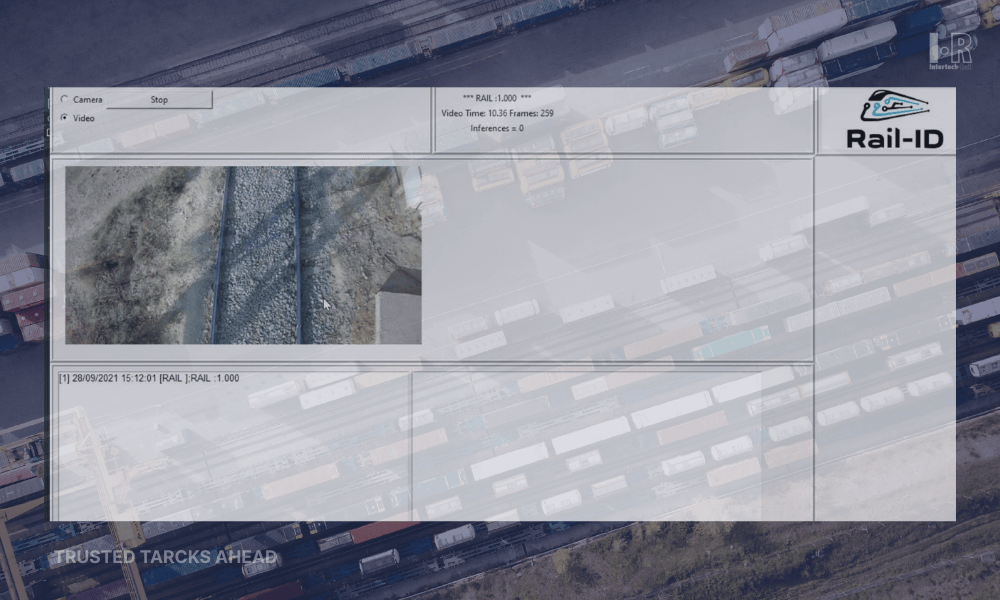
Railway control rooms have never been quiet places, even when nothing seems to be happening. Data has always been there in one form or another. The problem, more often than not, is trusting it. Anyone who has spent time following train movements across a live network knows how information arrives: sometimes late, sometimes incomplete, sometimes correct but out of context. Operators adapt. They check again. They wait. They move on.
Rail-ID® Server did not come from a blank page. It came from this daily routine, shaped by small inconsistencies that repeat themselves shift after shift. The goal was never to create perfect information, but to make information usable before it loses value.
What is Rail-ID® Server?
Centralized Asset Recognition and Management Platform
At a practical level, Rail-ID® Server is where asset identities stop drifting between systems. Identification events collected from different sources are aligned in one environment. The platform does not try to remove uncertainty entirely. It reduces disagreement, which in real operations is usually enough.
Real-Time Data Processing and Visualization
Real-time data is only helpful when it can be read quickly. Rail-ID® processes events as they occur, but just as much effort goes into how those events are displayed. In a control room, clarity is often more valuable than completeness. Operators know this instinctively.
The Role of Rail-ID® in Modern Railway Operations
From Data Collection to Actionable Intelligence
Railways have collected data for years. Storage was never the hard part. Attention was. Rail-ID® helps narrow the field, not by highlighting everything, but by showing what changed and what stayed the same.
In practice, this is less about intelligence and more about reducing noise. Most operators would not ask for more than that.
Integration with Existing Railway IT Infrastructure
Most rail networks operate on layered systems built over long periods of time. Replacing them rarely works. Rail-ID® is designed to sit between these layers, drawing information from AEI, RFID, GPS, and operational databases without forcing a redesign. That choice is more practical than elegant, and usually more successful.
Key Benefits for Railway Operators
Enhanced Operational Visibility and Control
Visibility improves when data stops contradicting itself. By aligning identification and movement information, Rail-ID® reduces uncertainty. Operators spend less time confirming inputs and more time reacting to actual conditions.
Improved Decision-Making and Resource Allocation
Decisions made under pressure depend on trust. When information is consistent, dispatching and recovery actions become faster. Over time, this consistency influences how crews, locomotives, and yard capacity are distributed. Not dramatically. Gradually.
Reduced Manual Processes and Human Error
Manual reconciliation does not usually fail in obvious ways. It fails quietly, across long shifts. Rail-ID® reduces repetitive cross-checks and limits the accumulation of small errors that no one notices until later.
Rail-ID® System Architecture and Features
Core Platform Components
Data Acquisition from Multiple Sources (AEI, RFID, GPS)
No single technology captures the whole picture. Rail-ID® combines AEI, RFID, GPS, and other inputs because each one sees something different. The platform’s role is to make these views agree often enough to act.
Centralized Database and Asset Registry
A shared asset registry provides continuity. Once an asset is identified, it remains recognizable across time and location, even as detection methods evolve.
Real-Time Processing Engine and Event Management
Event-based processing allows the system to react as movement occurs, not after reports are compiled. During disruptions, timing matters more than most features.
Control Room Interface and Visualization
Dashboard Design and User Experience
Control rooms are not places for experimentation. Interfaces must be readable at a glance. Rail-ID® dashboards emphasize hierarchy and contrast, reflecting how operators actually scan information under pressure.
Anyone who has worked a night shift in a control room knows how quickly patience for decorative interfaces disappears.
Real-Time Train and Asset Tracking Maps
Maps provide context that tables often fail to deliver. Seeing movement spatially can reveal patterns that lists do not show, especially when things stop following the plan.
Alert Management and Notification Systems
When everything is urgent, nothing is. Rail-ID® allows alerts to focus on deviation rather than routine movement, which helps prevent fatigue over long operating hours.
Advanced Analytics and Reporting
Historical Data Analysis and Trend Identification
Looking back often explains what real-time views cannot. Historical analysis exposes recurring inefficiencies that daily operations tend to normalize.
Some of these insights only become obvious after months of looking at the same data. They are rarely discovered in meetings.
KPI Dashboards and Performance Metrics
Metrics are useful when they reflect operational reality. Used carefully, they support improvement rather than compliance alone.
Custom Report Generation and Export
Flexible reporting allows operational data to move beyond the control room, supporting engineering and planning without constant rework.
Rail-ID® Server reflects a shift in how railway asset intelligence is treated. In control rooms, where certainty matters as much as speed, real-time rail monitoring becomes valuable only when operators genuinely trust what they are seeing.
Share article