How Do You Keep Signal and Train Control Testing Compliant?
From 49 CFR Part 236 to grade crossing inspection: what the rules require, how to plan the work and how to keep signal maintenance records that survive an audit.
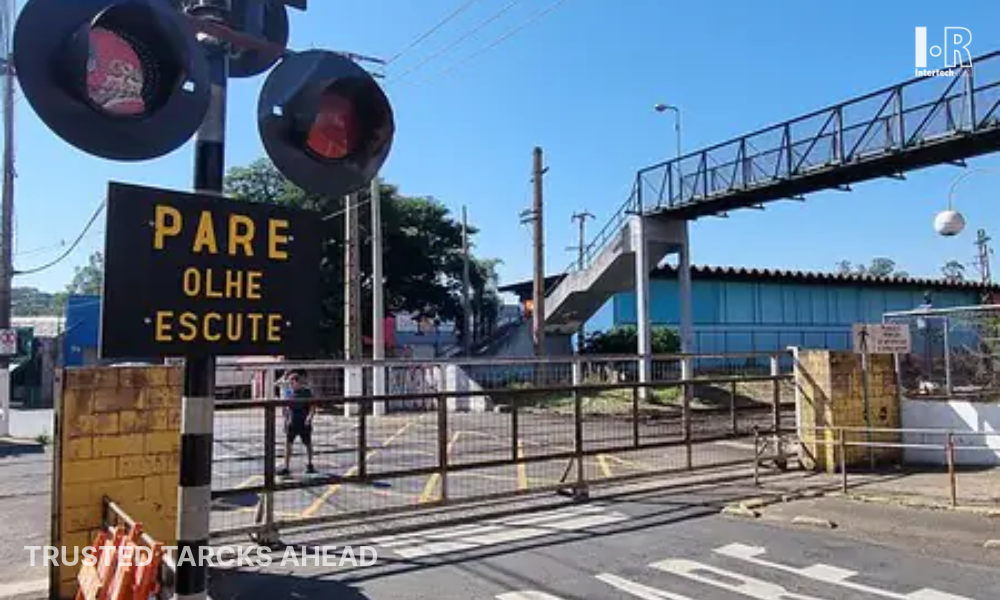
Ask any signal supervisor what keeps them up at night, and the answer is rarely a failed relay. It is the missing record for a test that was done correctly.
What the Rules Actually Require
Which regulations govern signal testing?
In the US, signal testing FRA requirements sit mainly in two places. 49 CFR Part 234 covers highway rail grade crossing warning systems. 49 CFR Part 236 covers signal and train control systems, from track circuits and switch indications to cab signals and PTC.
What counts as an inspection, a test, and a record?
An inspection is looking. A test is proving the function works, whether that is a gate arm descending on time or a switch detecting an obstruction. The record is what shows both happened. Intervals run from monthly to every few years depending on the device, and the work must be done by qualified signal personnel.
Building the Inspection and Test Calendar
How do you turn intervals into an executable plan?
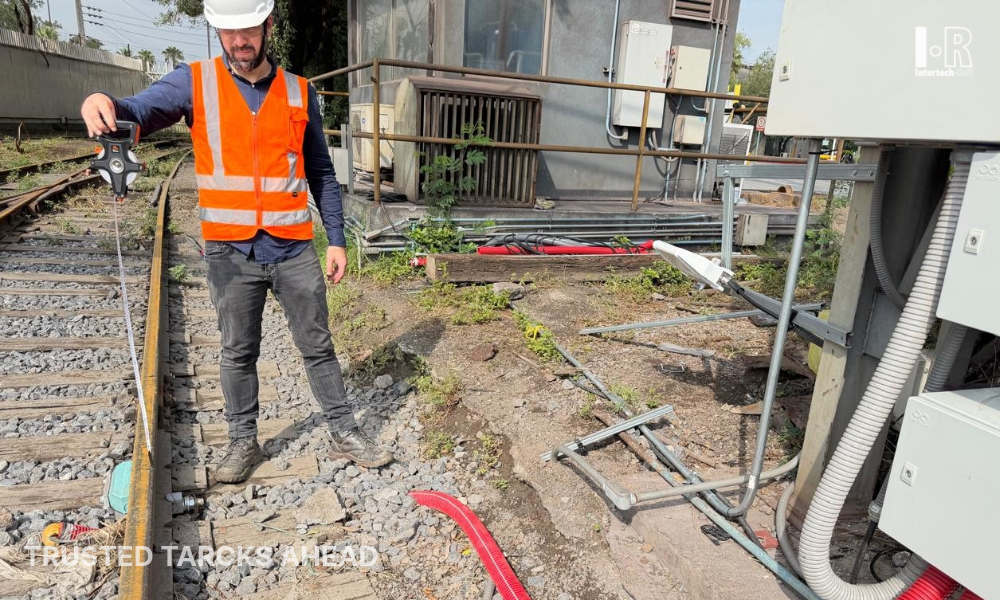
Start with an accurate asset inventory, then map every device to its required interval. That part is easy. The hard part is reality: track windows, access roads that wash out, and maintainers covering 80 crossings each. A calendar that ignores workload will fall behind by spring.
What happens when a test fails?
Protection comes first. At a crossing, that can mean flagging or restricting train movements until the system is repaired. A signal failure has to be corrected before the equipment returns to service. When the same location keeps failing, the conversation should move from repair to replacement.
Records That Survive an Audit
What must the documentation prove?
Who tested, when, what the result was, and what follow-up took place. Signal maintenance records must also be legible, kept for the required period, and available when an FRA inspector asks.
Where do most recordkeeping findings come from?
Rarely from bad engineering. Most findings come from gaps, late tests, and corrective actions nobody wrote down. Paper forms make this worse. Every transcription is a chance to lose history.
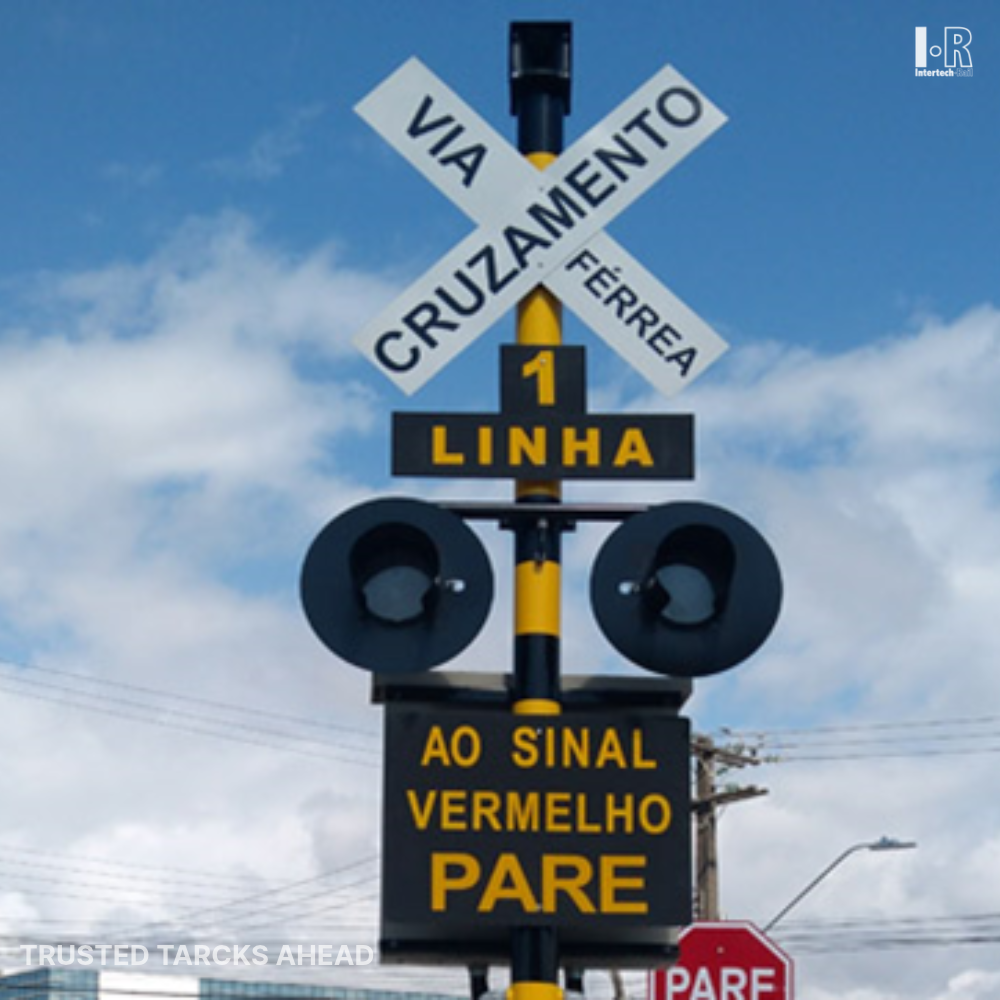
Where Remote Diagnostics Reduce the Burden
What can be monitored instead of visited?
Remote monitoring gives continuous equipment health data and a full alarm history between visits. It also improves evidence. A logged voltage or gate timing is stronger than a checked box. During a grade crossing inspection, that history helps the maintainer go straight to the problem.
What still requires a person in the field?
Plenty. Monitoring does not replace mandated tests unless FRA has approved it. Physical verification and hands-on functional tests still require someone on site.
GO DEEPER ON THESE TRACKS: testing obligations shape maintenance and investment alike. Explore When Should a Relay-Based Interlocking Be Modernized? to see when the testing burden justifies modernization, discover How Are Train Movements Authorized Where There Are No Signals? to see inspection duties on unsignaled lines, and review How Do You Specify a Switch Machine for Heavy-Haul and Remote Turnouts? for specifying SIL4 point detection. These related articles are already published or will be available soon.
What is Signaling and how does it work?
Railway signaling is the system used to control train movements across a network safely. It combines signals, track circuits, relays, switch machines, and control systems to communicate movement authority and track conditions. By continuously monitoring train positions and route status, signaling systems help prevent conflicts and ensure trains operate safely and efficiently.
Railway signaling is the system used to control train movements across a network safely. It combines signals, track circuits, relays, switch machines, and control systems to communicate movement authority and track conditions. By continuously monitoring train positions and route status, signaling systems help prevent conflicts and ensure trains operate safely and efficiently.
Signaling is fundamental to railway safety, capacity, and reliability. It helps prevent collisions, protects work zones, manages train spacing, and supports efficient traffic flow. Modern signaling systems also reduce operational delays, improve network utilization, and provide operators with greater control over increasingly complex rail operations.
What technologies are commonly associated with Signaling?
Common signaling technologies include track circuits, axle counters, fail-safe relays, interlocking systems, switch machines, wayside signals, centralized traffic control (CTC), communications-based train control (CBTC), positive train control (PTC), and condition monitoring systems. Digital communications and remote diagnostics are also becoming increasingly important within modern signaling environments.
What Intertech Rail solutions are available for Signaling?
Intertech Rail provides signaling-related solutions, including fail-safe relays, relay sockets and plugboards, switch machines, wheel sensors, and railway control hardware. These products support signaling infrastructure used in interlockings, track circuits, route control systems, and other safety-critical railway applications.
Share article