Search results for 'level crossing' (10)
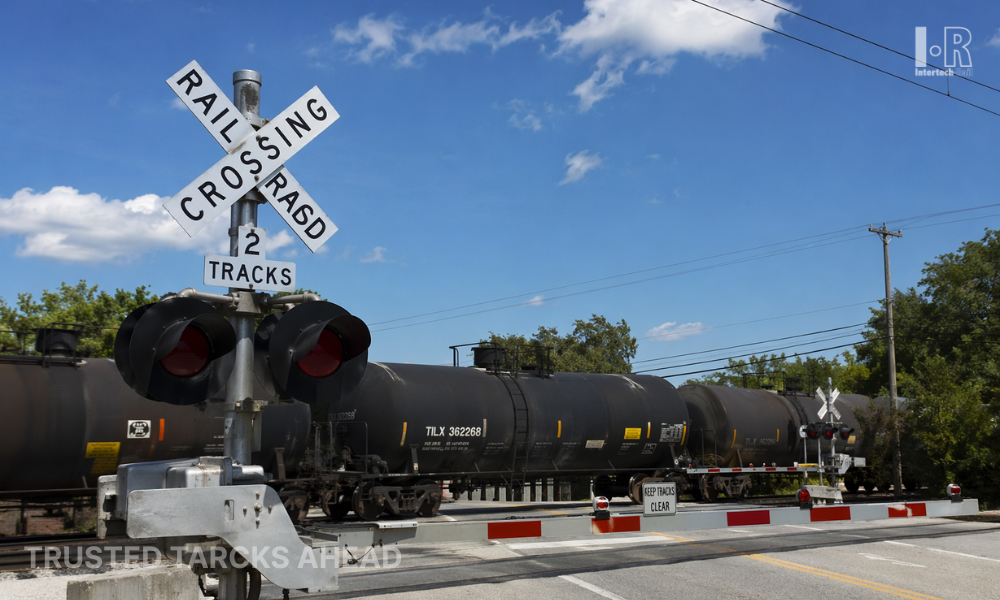
Explore how to plan and prioritize level crossing upgrades to improve safety and operational reliability in railway systems.
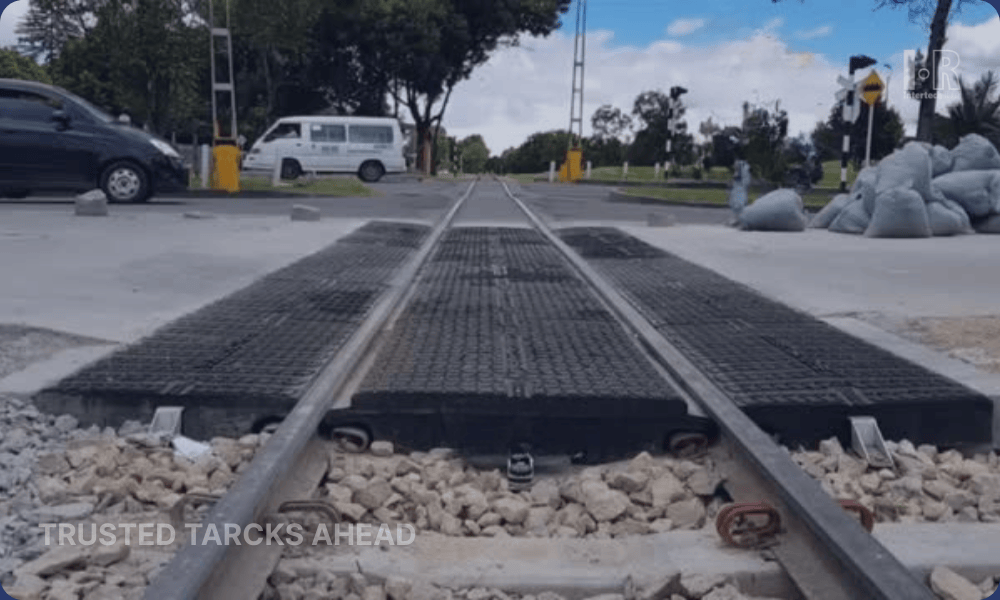
Level crossing safety equipment combines detection systems, visual signals, and barriers to improve safety at railroad intersections.
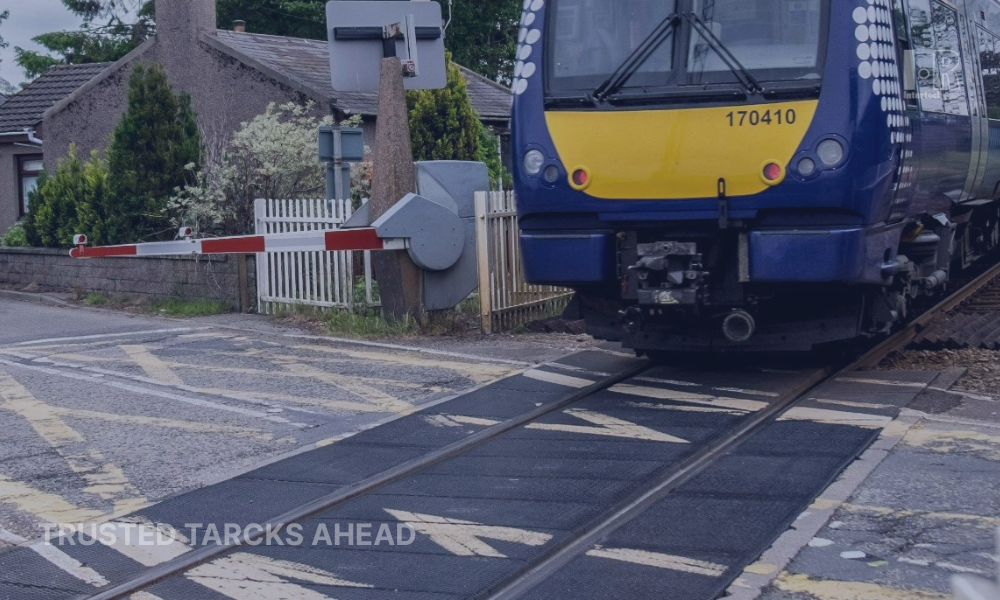
How engineering, detection systems, and regulations work together to improve safety at level crossings and prevent accidents on shared rail-road paths.
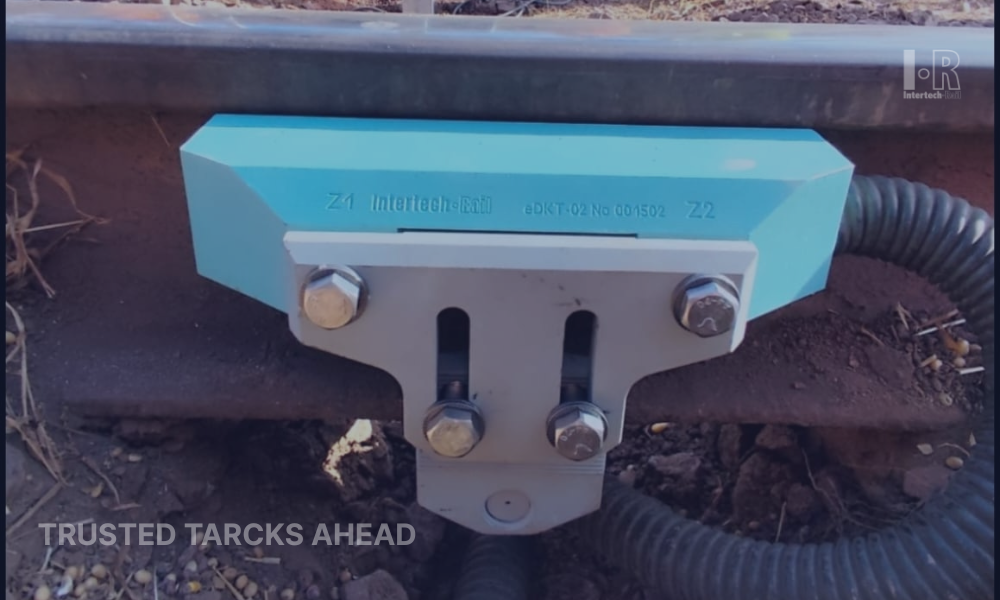
How smart sensors and integrated systems are transforming railroad crossing safety, efficiency, and accident prevention.
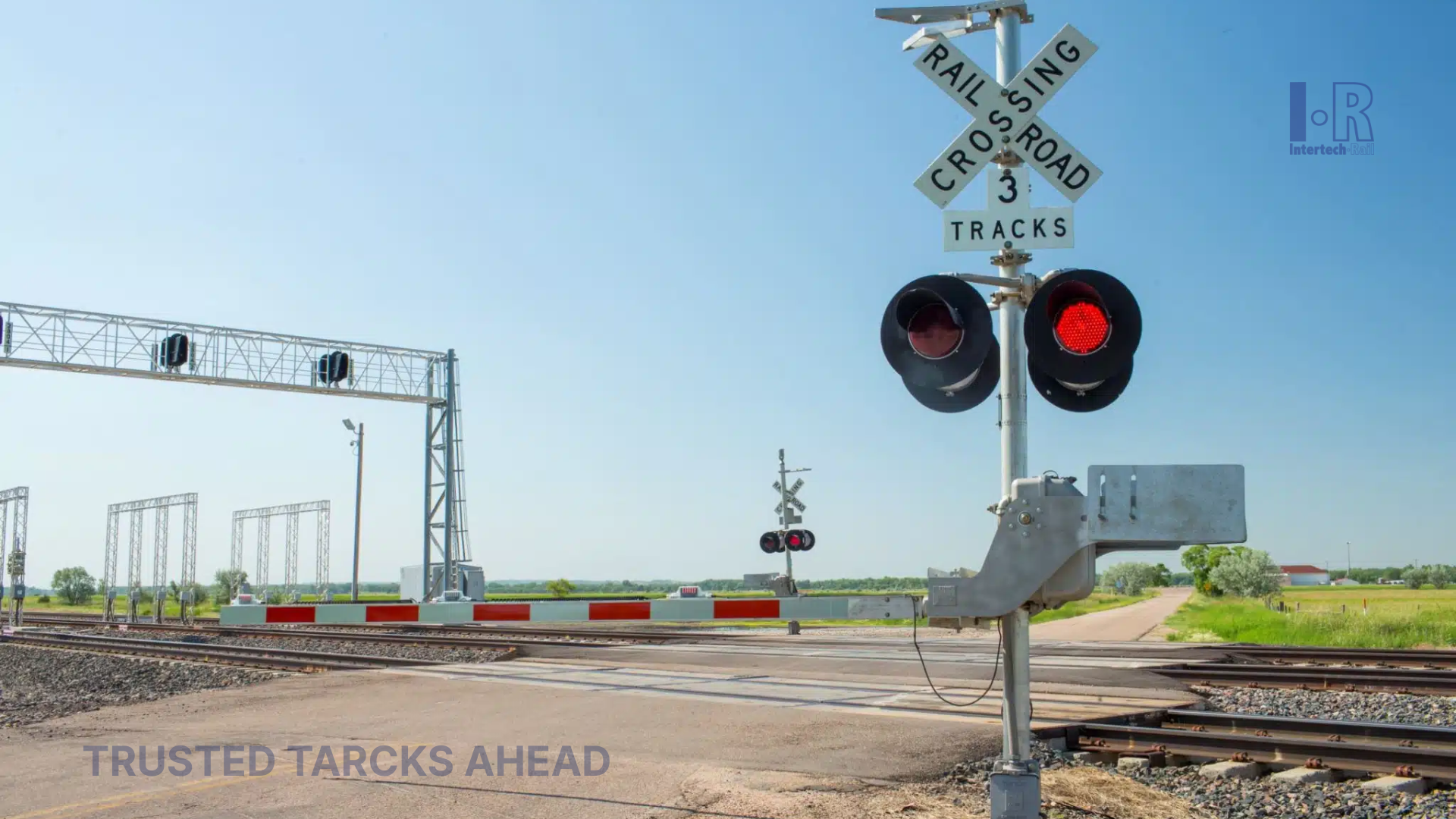
Level crossings are essential but high-risk points in rail networks. Learn how advanced detection, automated barriers, warning systems improve safety and efficiency.
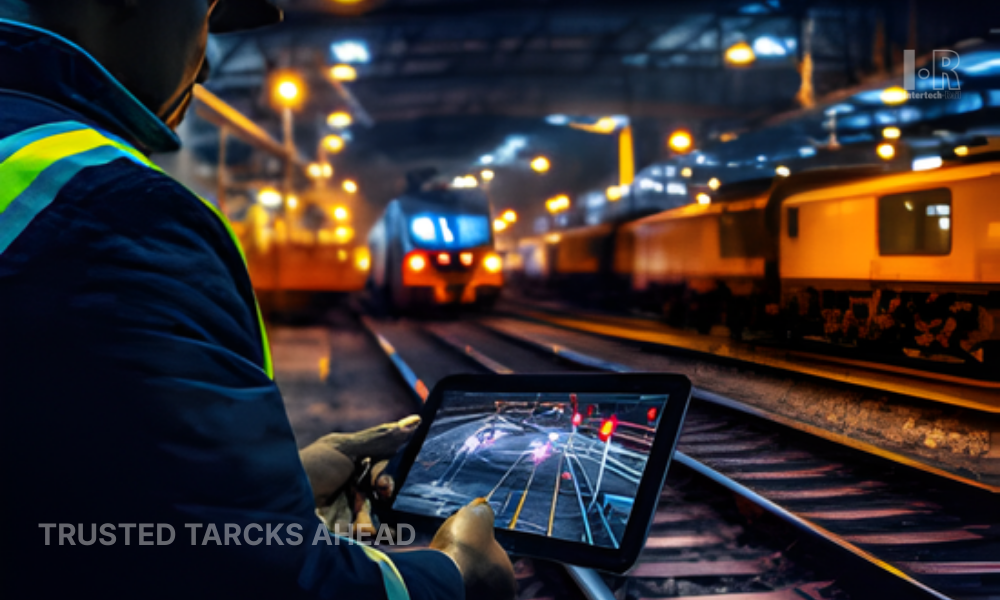
Fail-safe rail hardware relies on physical laws to ensure safety and reliability. Learn how relays, level crossing barriers, and mechanical systems default to safe states.
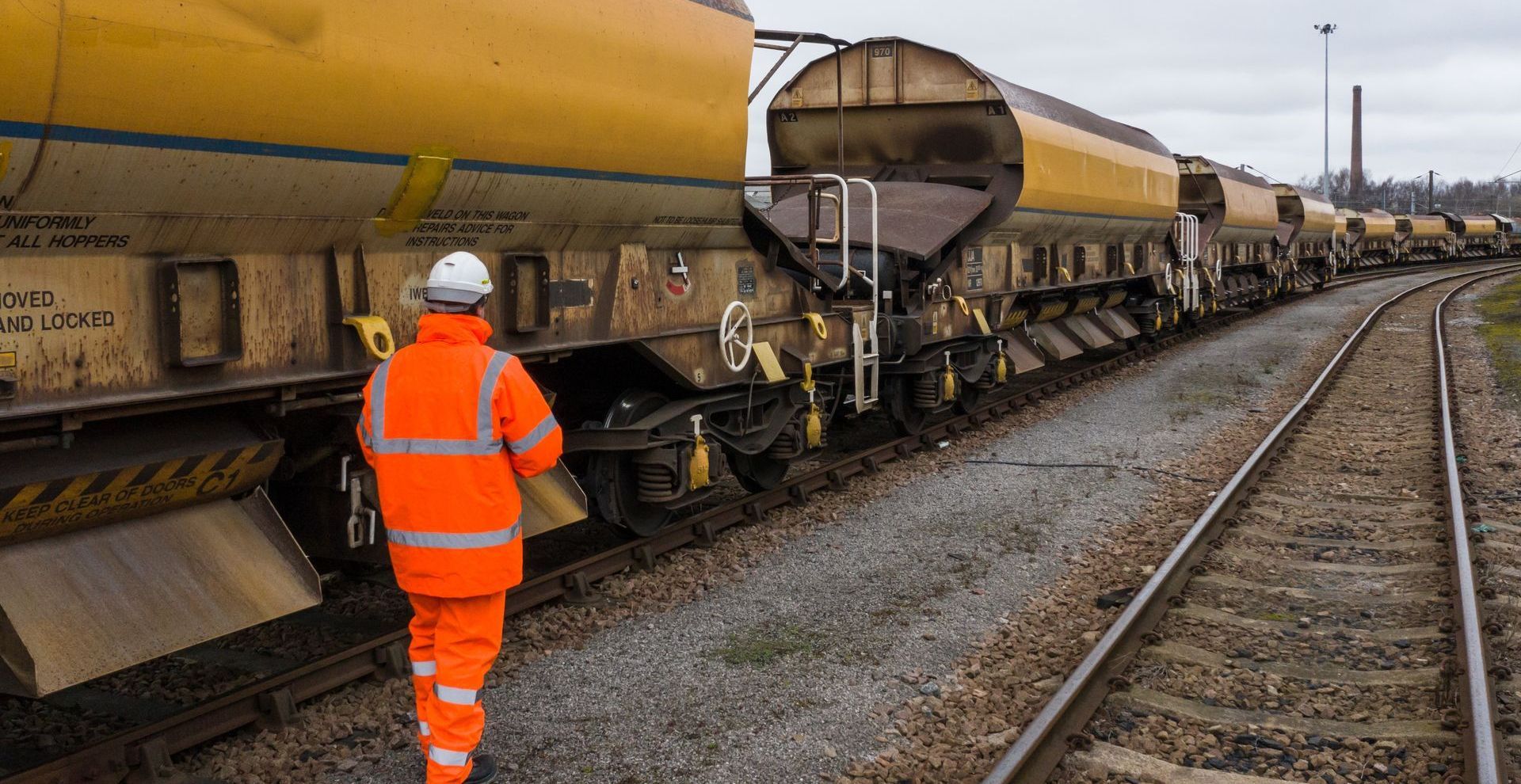
Learn about the critical role that fail-safe relays play in protecting rail interlocking systems from power failures and other risks. Find out how these technologies can help optimize your railway operations.
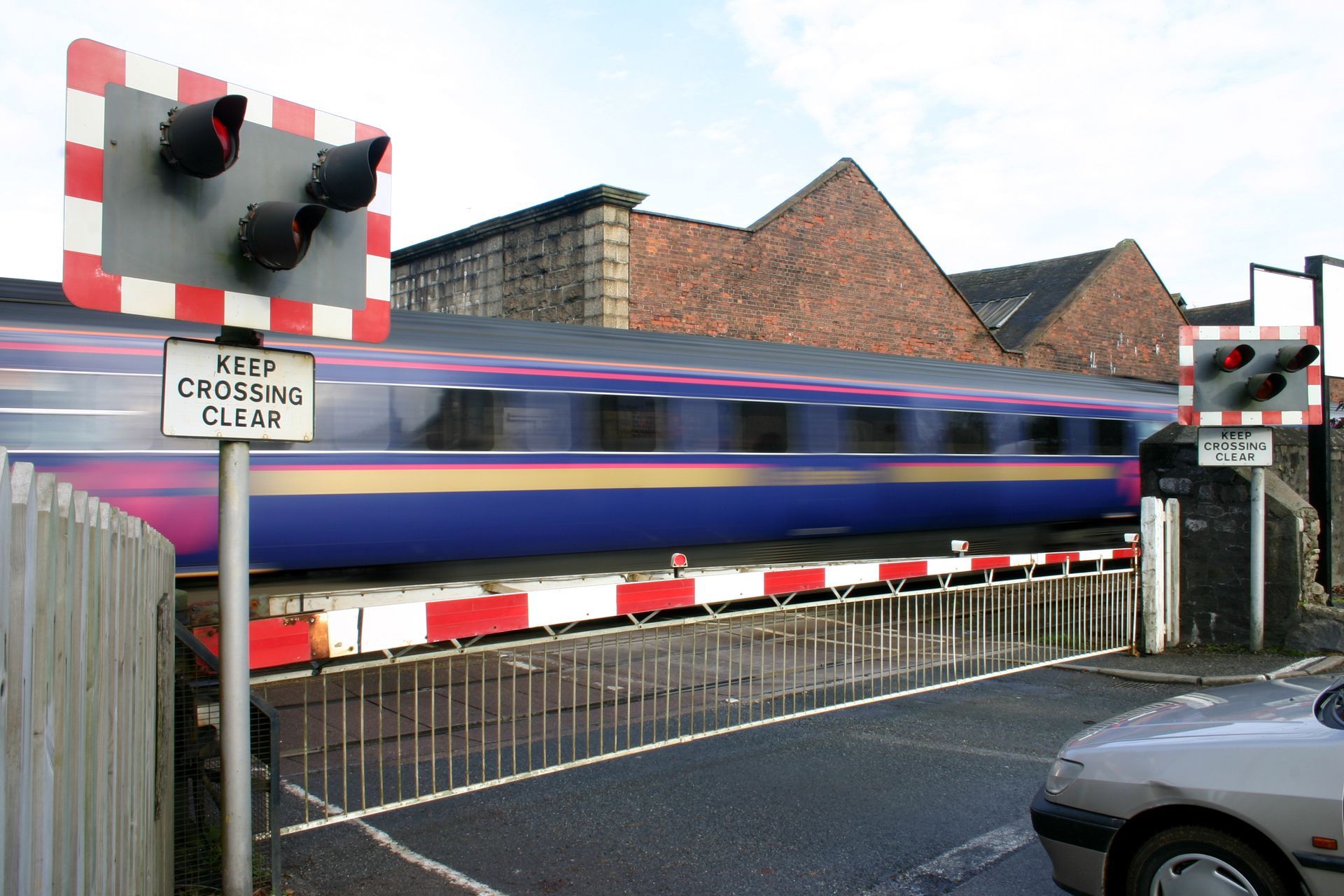
Level crossings are an essential component of the railway infrastructure, serving as a connection between roads and railway tracks. The purpose of a level crossing is to allow road users to cross the tracks safely , with minimal disruption to the rail traffic. The choice of material used for a level crossing surface is crucial for ensuring the safety of road users and rail passengers. The two most used materials for level crossings are rubber plaques and asphalt. Importance of Choosing the Right Material for Level Crossing Surfaces Choosing the right material for level crossing surfaces is of utmost importance due to its significant impact on the safety of road users and rail passengers. The surface material plays a crucial role in providing traction and minimizing the risk of accidents. Additionally, it should withstand heavy loads and endure various weather conditions to ensure long-term durability. Environmental considerations also come into play, as the material should be sustainable and minimize negative impacts on the environment. Making a well-informed decision regarding the choice of material is essential to create level crossings that are safe, reliable, and environmentally conscious. Rubber Plaques: Durability, Safety, and Environmental Benefits Rubber plaques are made from recycled tires and are a popular choice for level crossings because of their durability and safety features. Rubber plaques provide a high level of traction for vehicles and pedestrians, reducing the risk of accidents. They are also less likely to crack or become damaged compared to asphalt, which can cause tripping hazards and damage to vehicles. In addition to their safety benefits, rubber plaques are also more environmentally friendly than asphalt. They are made from recycled tires, which reduces the number of tires that would otherwise end up in landfills. Furthermore, they do not emit harmful chemicals or fumes, making them a safer option for the environment.
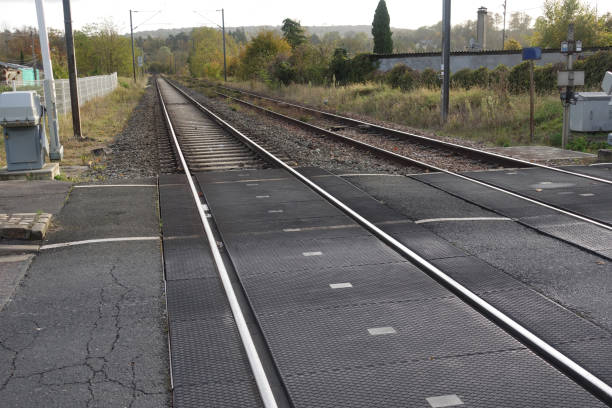
We all know the importance of a level crossing when a railway track crosses a road or street. In this type of situation, there is hardware behind it with all the security issues that we have already addressed in other articles on this blog, such as FAIL-SAFE features (any problem in the system, put it in a non-accident situation) and even very low-level failures (SIL3, SIL4). What few people know are the floors of these level crossings. When a road crosses a rail, asphalt or concrete can be placed, which is done at 99 out of 100 crossings. However, over time, this floor does not support the vibration that exists inside a railroad with a freight train passing by all the time, or even in cities, with urban trains. In a few months, asphalt becomes brittle and destroys itself, just like concrete. A few years ago, it was developed as a perfect solution, already adopted in developed countries, which are vulcanized rubber floors. They are formed by modules of vulcanized rubber that fit together forming a floor that is often more resistant than asphalt and concrete and does not suffer from the vibration characteristic of a highway. This type of floor often supports off-road vehicles in mining companies with loads of up to 300 tons, believe it or not. And its duration is set for 10 to 30 years of life, which is extremely high considering its asphalt and concrete competitors. In underdeveloped countries this type of solution is not used and most of the time asphalt or stones are simply placed to make the crossing works. With vibration this material is quickly dispersed. A railroad track profile is half a foot or 15 centimeters on average and if there is nothing at the intersection an ordinary car cannot pass a railroad track without damaging its wheels. So, the advantages of this type of flooring are enormous, mainly in terms of loads, durability, vibration resistance, weather conditions such as rain, floods. And yet this type of rubber flooring normally uses a surface with different triangular patterns that greatly increase the resistance to adhesion of both tires and pedestrians, being compared to the same type of adhesion of asphalt and are more efficient in water drainage. This type of material has been more widespread in recent years and the trend is that all level crossings will have this type of solution in the coming decades, which is even sustainable in the sense that old tires are ground and reused in the manufacture of these floors which in their composition normally use up to 80% recycled rubber ranging from 80 to 50% recycled rubber, the rest is natural rubber and some components that increase the material's hardness and resistance. Normally, the rubber floor in modules for level crossings is quickly assembled with a team of few operators and a forklift is enough for the whole system to be operational in a few hours. This type of flooring is adaptable to the ground and is placed on the rail sleepers, spreading the load of the truck that is crossing the track, avoiding damage to the rails or movement of the rails during the passage of a heavy-duty vehicle, for example. This type of solution is highly recommended, easily installable and gigantic durability, especially when heavy vehicles are used. It is also used for crossing pedestrians and bicycles due to its high adherence. In the landscape it is usually suitable because its characteristic color is like the color of asphalt and has a very important environmental aspect in the recycling of rubber used in tires, mainly tires for off-road vehicles, which represents a huge environmental problem for many mining companies. This would be one of the main applications of this type of solution. Maintenance is also very simple: any of these modules that present a problem can be easily replaced. The rubber floor is a solution that's here to stay and is set to replace all asphalt and concrete solutions worldwide on thousands of level crossings. The environment appreciates. Read more: Vital Signaling: technology that propels the production and the railway transportation of ore Brazil on the tracks: Railway Landmark and sustainability get advancements in the domestic market
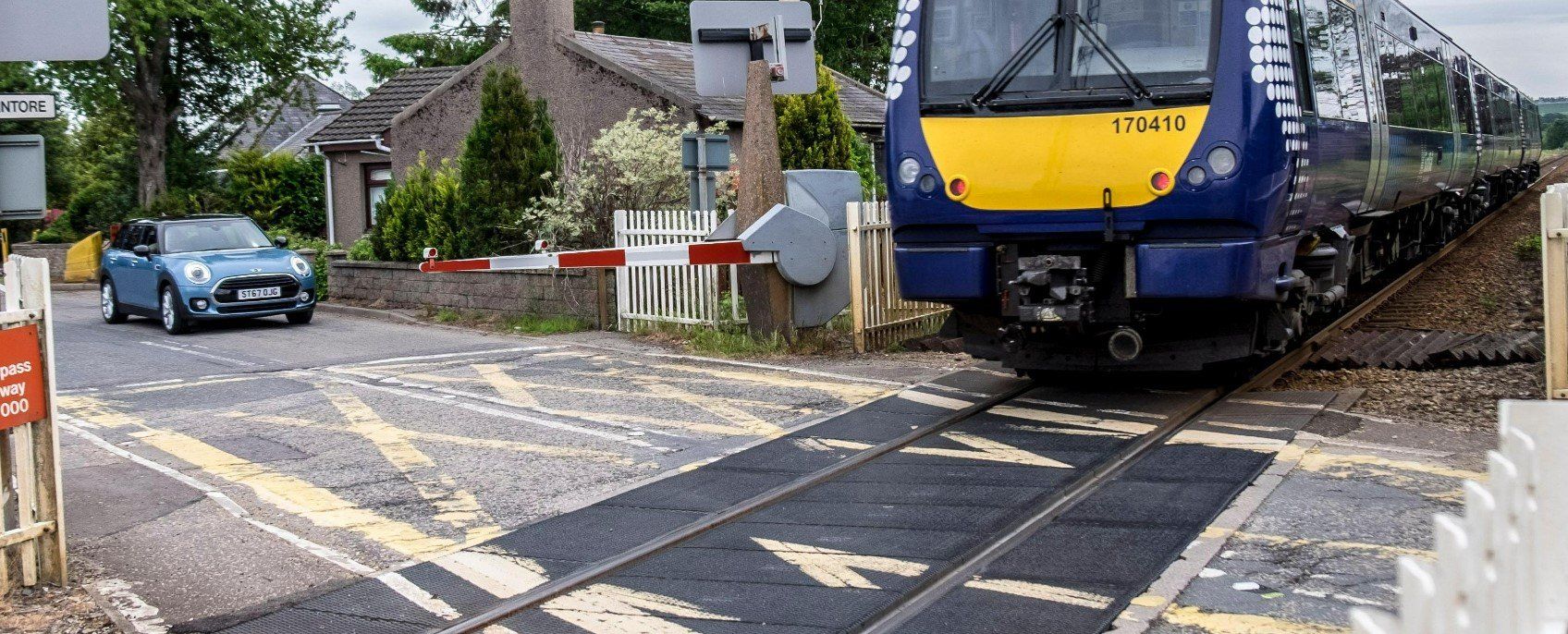
A railway train easily carries thousands of tons of metal, only one car can carry 120 tons and it is very common with positions of 100, 200, 300 freight cars. This type of composition takes, with emergency braking, almost 2 kilometers to brake at an average speed of 50 kilometers per hour. So, it is critical that in your movement, nothing can be ahead. Any object in front of such a composition will be destroyed, nothing survives. So, that's why trains run freely through all countries, and the idea is that these railways have bridges or passages underneath so that the train never has to stop before its destination. However, there are critical situations where there is a road crossing with a railroad and it was not possible to make this crossing through a bridge or a tunnel. In this case, there is what we call a level crossing or level crossing. In the past, these systems worked with a railway guard who watched the train approach. At the right moment, the whistle sounded and manually lowered the vehicle gate using a crank, pressed a button and light signals began to flash for the cars that were supposed to stop and wait for the train to pass. This went on for decades and decades. However, about 50 years ago, the automatic systems of gates or level crossings were introduced, which are basically the ones that are used today. These are fail-safe systems, where any electrical problem or cable breakage or excessive rain, any problem at all, the barrier for vehicles is in the lowered position avoiding accident. Whenever there is a problem, he gets into a safe position. They are fail safe systems. There are three types of automatic level crossing technology: First level crossing option: The first, the most traditional, is with track circuit, where the rails are used as a kind of electrical circuit and the voltage in these sections is measured and when any heavy rolling stock enters that section, an identification is made and this section of track next to the level crossing, the process of warning cars that a train is approaching begins and the entire process of closing the barrier begins, luminous signals and bells . Then, when the train passes through this circuit and enters the next track circuit, after the level crossing, the barrier is opened again. The other technology uses what we call axis sensors. An axle sensor (fail safe) identifies the axle of the locomotive on approach to the level crossing. Second level crossing option: It is strategically placed at a safe distance, based on the maximum speed the train travels on that stretch. And when the train passes through that point, the process of alarming the level crossing bells and the light signals begins, both for the car and for the conductor. Normally, 20 seconds of signals and alarms are expected and within 10 seconds for the composition to arrive at the level crossing, the barrier begins to lowe . These times vary from country to country. The axles are counted on that axle sensor and when the train starts to pass through an axle sensor right after the level crossing, that same axle sensor sends the information for a micro - controlled system that checks if all axes that passed the initial identification passed after the level crossing. It is the certainty that the entire composition has already passed to start the ascent of the barrier and the passage of cars and pedestrians is released. Third level crossing option: There is a third type of more sophisticated level crossing that predicts the speed of the train and adjusts the opening and closing time of barriers and audible signals based on the speed at which the train is approaching, but there are fewer and much lower-level barriers. more costly. The level crossing has a regulation in each country with light and sound signals and signs like the famous “stop, look , listen” . There is also the Saint Andrew cross (usually with the words “railway crossing”. It has a whole symbology so that this system is as safe as possible. Anyway, it is an old technology, but very robust and that avoids many accidents around the world. A train at 50, 60 km per hour hitting a vehicle is not a pleasant sight. There are millions of level crossings in the world, and it is estimated that only 30% of them are automatic. Many are still manual. Mainly level crossing in remote locations, away from cities, close to indigenous villages, which greatly increases the danger of accidents. Governments are putting more and more regulations in place to automate and monitor these level crossings. in monitoring it is not possible to automatically command to open or command to close a level crossing. However, you can see the status and verify if all are operating normally. That's what exists behind a simple level crossing, a great technology, even an old one, but it represents enormous security. Read more: Vital Signaling: technology that propels the production and the railway transportation of ore Brazil on the tracks: Railway Landmark and sustainability get advancements in the domestic market